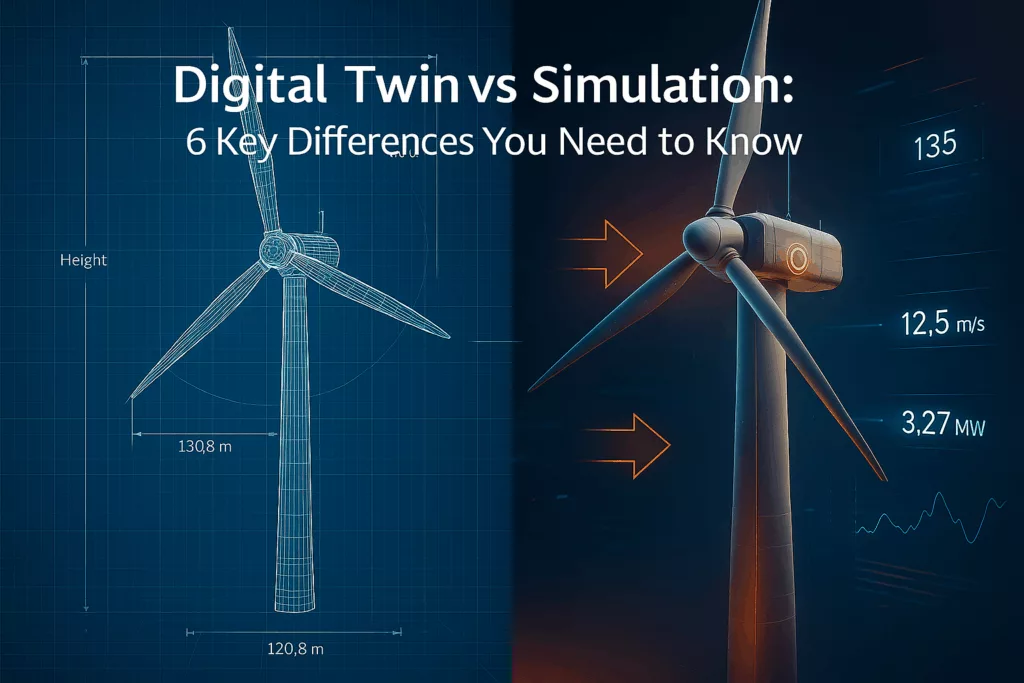
Discover how a connected digital twin works, with real-world examples and how real-time data transforms a static model into a live system.
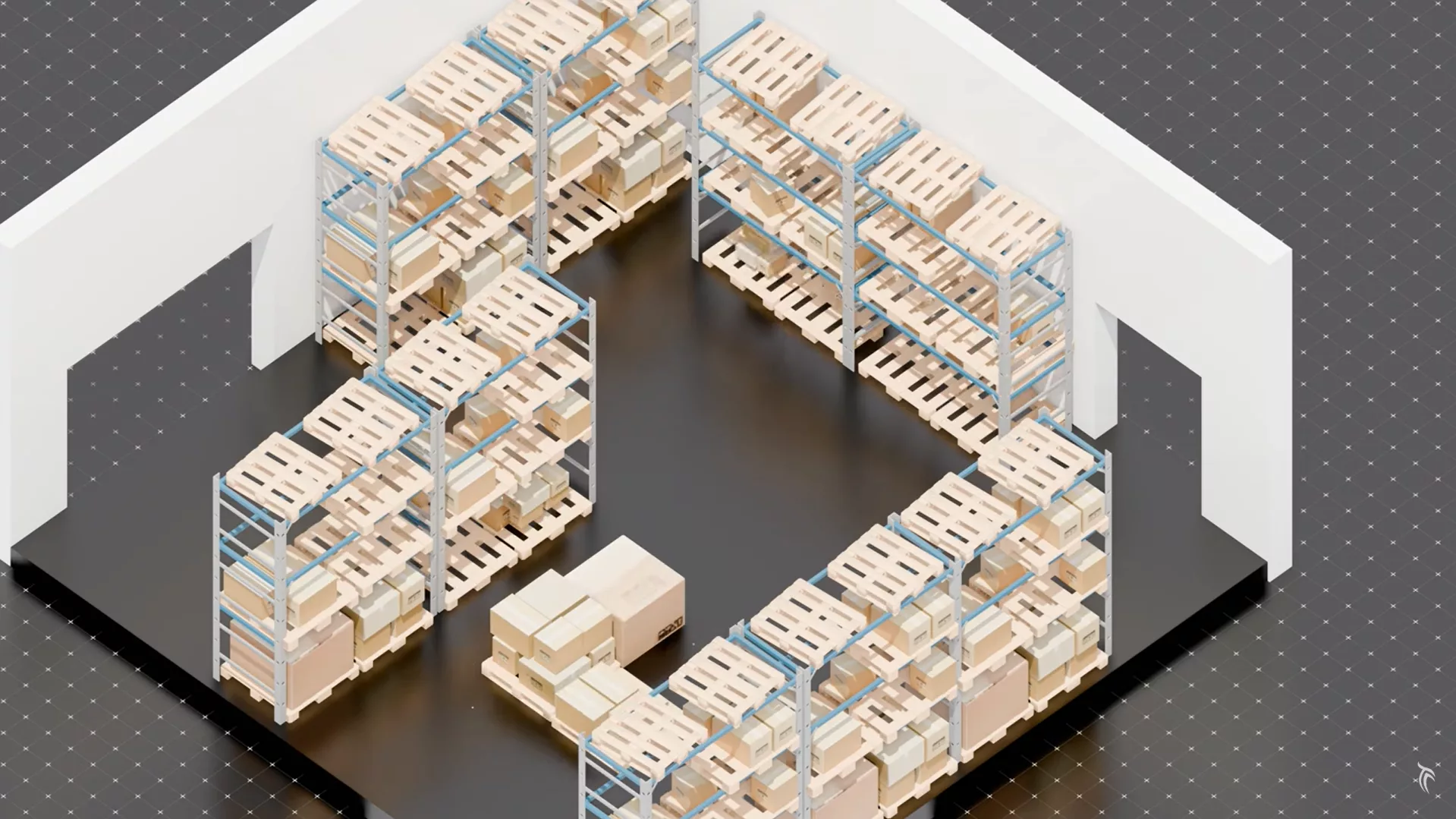
Table of Contents
What Is a Connected Digital Twin?
A connected digital twin is the second stage in digital twin evolution.
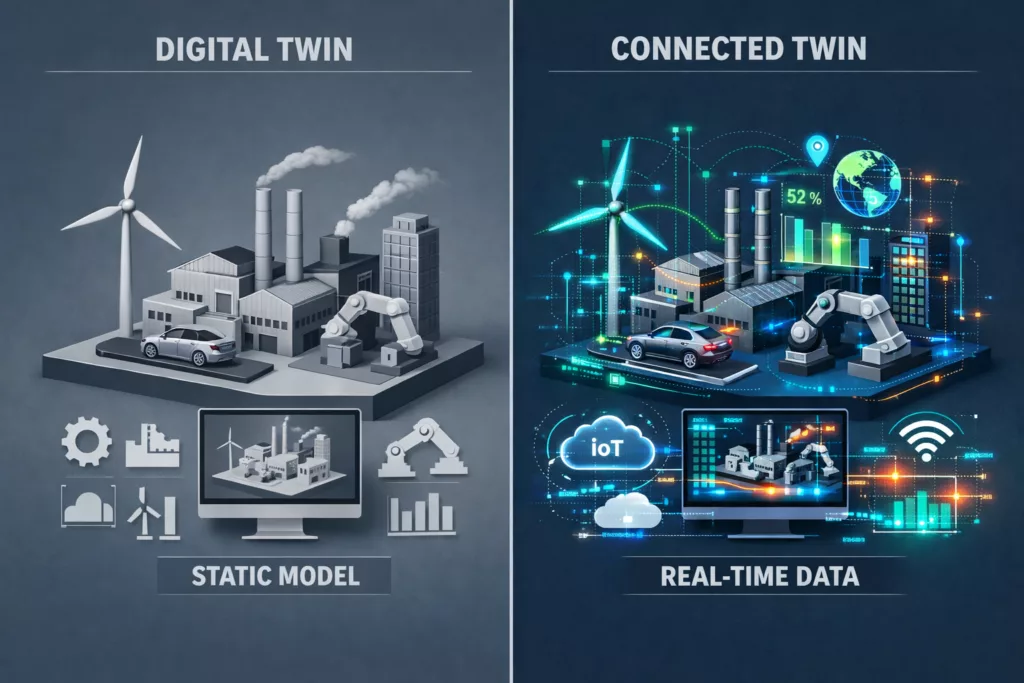
At this level, a digital twin model becomes dynamic by integrating real-time data from sensors and systems.
Unlike a static 3D model, a connected digital twin reflects what is happening in the physical world as it happens.
This shift from static to real-time is what transforms a digital twin from a visual tool into an operational system.
Watch: Level 2 Connected Twin Explained
Real Digital Twin Example (Warehouse)
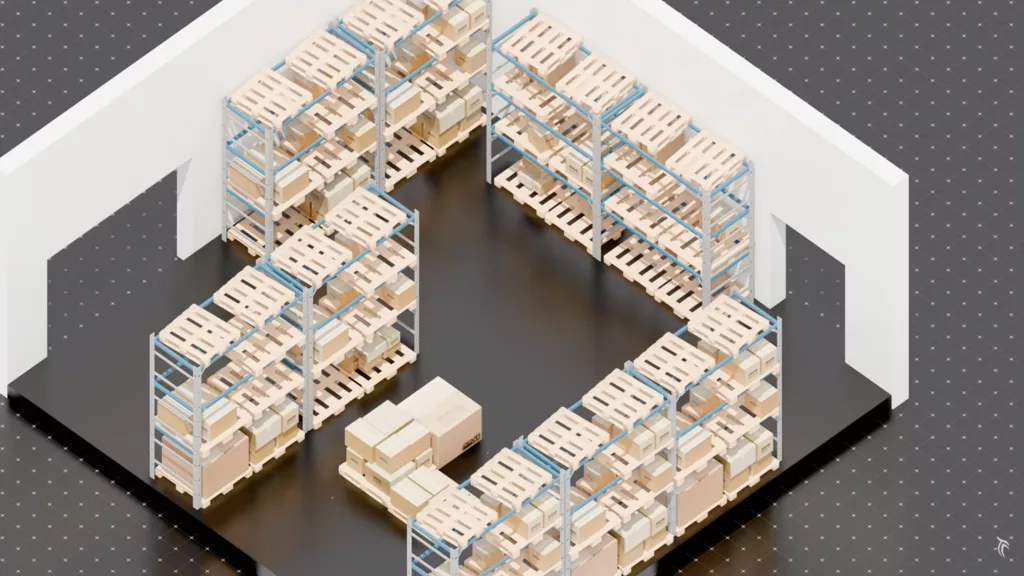
One of the most practical digital twin examples is a smart warehouse system.
Imagine inventory shelves equipped with sensors that track:
- Stock levels
- Temperature
- Humidity
This data is continuously sent to a digital twin, creating a live representation of the warehouse.
What this enables:
- Real-time inventory tracking
- Instant alerts for anomalies
- Better organization and accessibility
This is a perfect example of how a real-time digital twin improves operations.
Key Features of a Connected Digital Twin
A connected digital twin introduces several new capabilities:
- Real-time data integration
- IoT sensor connectivity
- Live system monitoring
- Alerts and notifications
- Dynamic visualization
These features turn a simple digital twin model into a decision-support system.
Benefits of Real-Time Digital Twins
Connected digital twins provide immediate operational value:
- Faster decision-making
- Improved efficiency
- Reduced manual tracking
- Early detection of issues
- Better asset performance visibility
Businesses can react instantly instead of relying on delayed reports.
How a Connected Digital Twin Works
A connected digital twin typically includes:
1. Sensors (IoT Layer)
Devices collect real-world data from assets.
2. Data Transmission
Data is sent to cloud or local systems.
3. Digital Twin Model
The 3D model updates in real time.
4. Dashboard / Interface
Users monitor and interact with the system.
Twinnoverse make it easier to build these real-time dashboards and connect your data sources.
Limitations of Level 2
While powerful, connected digital twins still have limitations:
- No predictive capabilities
- No advanced analytics
- Reactive rather than proactive
They answer:
“What is happening now?”
But not yet:
“What will happen next?”
What Comes Next (Level 3)
The next evolution introduces data analysis and prediction.
What if your digital twin could analyze patterns and predict future issues before they happen?
→ Discover Level 3: Predictive Digital Twin
Frequently Asked Questions
What is a connected digital twin?
A connected digital twin is a digital model that integrates real-time data from sensors to reflect live conditions.
How is a connected twin different from a descriptive twin?
A descriptive twin is static, while a connected twin uses real-time data.
Do connected digital twins use IoT?
Yes, IoT sensors are essential for real-time data integration.
A connected digital twin marks a major shift:
From static visualization → to real-time operational insight.
It enables businesses to monitor systems continuously and respond instantly to changes.
Next Step: Predictive Digital Twin (Level 3) — where data becomes intelligence.
- Level 1: Descriptive Digital Twin
- Level 2: Connected Digital Twin (this page)
- Level 3: Predictive Digital Twin
- Level 4: Prescriptive Digital Twin
- Level 5: Autonomous Digital Twin