Discover how a predictive digital twin uses real-time data and analytics to forecast future outcomes and prevent operational failures.
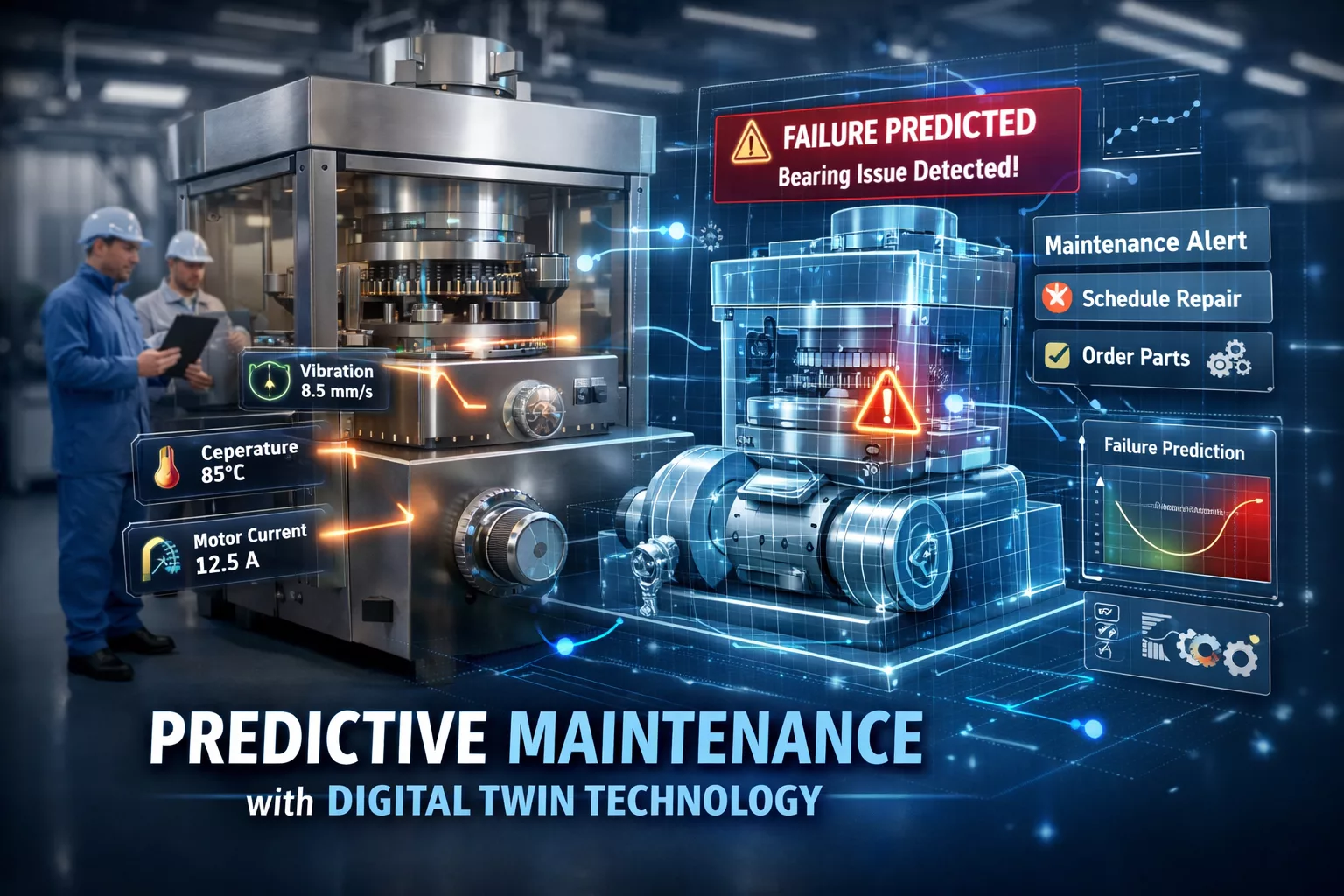
Table of Contents
What Is a Predictive Digital Twin?
Is the third stage in digital twin evolution.
At this level, a digital twin goes beyond real-time monitoring and begins to analyze data to forecast future outcomes.
Instead of just answering:
“What is happening now?”
It answers:
“What is likely to happen next?”
This shift transforms the digital twin into a proactive decision-support system.
Watch: Level 3 Predictive Twin Explained
Real Digital Twin Example (Pharmaceutical Industry)
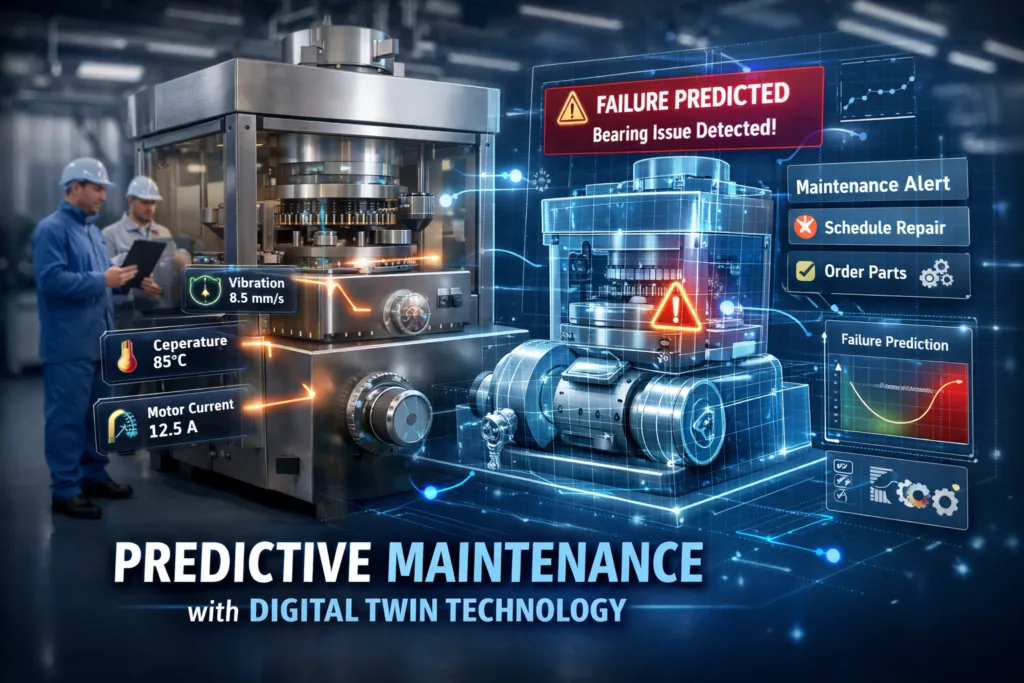
A powerful predictive twin example can be found in pharmaceutical manufacturing.
Imagine a production facility where machines are continuously monitored through sensors.
This system analyzes:
- Sensor data
- Maintenance history
- Production schedules
What it enables:
- Predicting equipment failures before they happen
- Scheduling maintenance proactively
- Reducing downtime
- Ensuring smooth production
This is known as predictive maintenance, one of the most valuable use cases of digital twins.
Key Features of a forecasting digital twin
Introduces advanced capabilities:
- Data analysis and pattern recognition
- Forecasting future performance
- Predictive maintenance
- Risk detection
- Decision support
These features allow organizations to move from reactive to proactive operations.
Connected vs Predictive Digital Twin
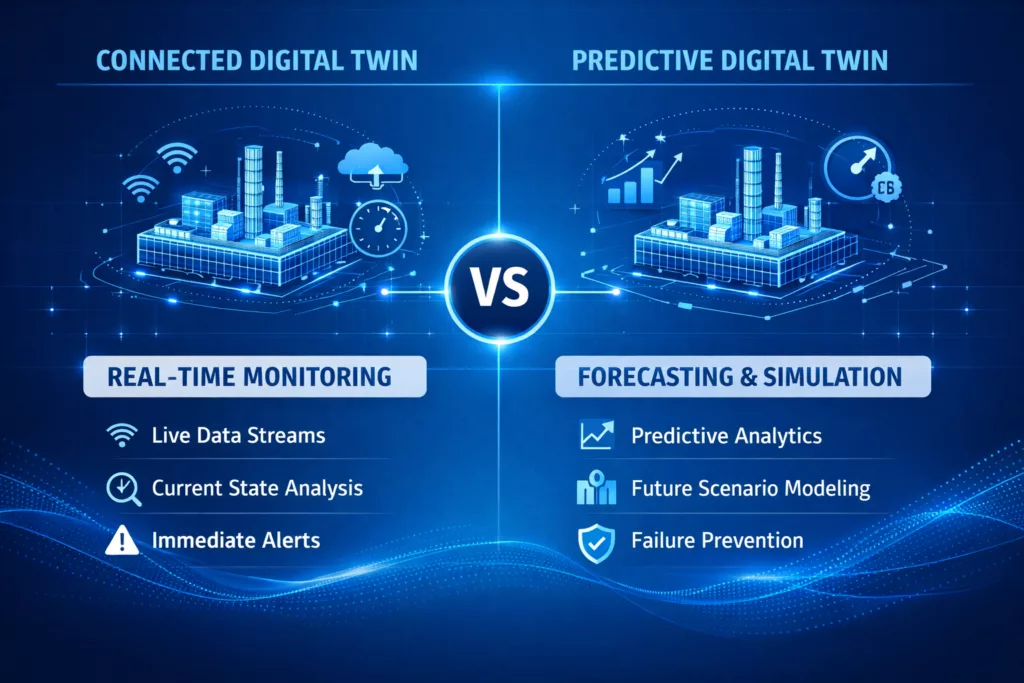
| Feature | Connected Twin | Predictive Twin |
|---|---|---|
| Data | Real-time | Real-time + historical |
| Function | Monitoring | Forecasting |
| Response | Reactive | Proactive |
| Value | Visibility | Optimization |
The predictive twin adds intelligence on top of data.
Benefits of Predictive Digital Twins
Organizations using predictive digital twins gain:
- Reduced downtime
- Lower maintenance costs
- Improved operational efficiency
- Better compliance with standards
- Early detection of issues
Instead of reacting to failures, they prevent them entirely.
How Predictive Digital Twins Work
This system typically includes:
1. Data Collection
IoT sensors collect real-time data.
2. Data Aggregation
Historical data and logs are combined.
3. Data Analysis
Algorithms analyze patterns and trends.
4. Prediction Models
The system forecasts future outcomes.
5. Visualization
Results are displayed in dashboards.
Industry leaders like Nvidia and Microsoft are actively advancing digital twin technologies.
Limitations of Level 3
Despite its power, a predictive twin has limitations:
- Does not automatically take action
- Requires quality data for accuracy
- Depends on model reliability
It answers:
“What will happen?”
But not yet:
“What should we do?”
What Comes Next (Level 4)
The next level introduces prescriptive intelligence.
What if your digital twin could not only predict problems—but also recommend the best actions to solve them?
→ Discover Level 4: Prescriptive Digital Twin
Frequently Asked Questions
What is a predictive digital twin?
A predictive digital twin uses real-time and historical data to forecast future outcomes.
What is predictive maintenance in digital twins?
It is the ability to predict equipment failures before they occur.
How is predictive different from connected digital twins?
Connected twins monitor real-time data, while predictive twins analyze data to forecast future events.
What industries use predictive digital twins?
Manufacturing, pharmaceuticals, energy, and logistics commonly use them.
Industries Using Predictive Twins
Predictive twins are widely used across industries where downtime and inefficiency can be costly.
🏭 Manufacturing
Factories use digital twin prediction system to anticipate machine failures and optimize production schedules.
💊 Pharmaceuticals
As seen in our example, predictive twins help forecast equipment issues and maintain compliance with strict regulatory standards.
⚡ Energy & Utilities
Power plants use predictive models to forecast equipment wear and prevent outages.
🚚 Logistics
Companies predict delays and optimize supply chain operations using real-time and historical data.
These use cases highlight how predictive digital twins move beyond monitoring into proactive optimization.